Pinhole News

2-Month Follow-Up: Pinhole® Surgical Technique Case by Dr. Alex Melenti (Romania)

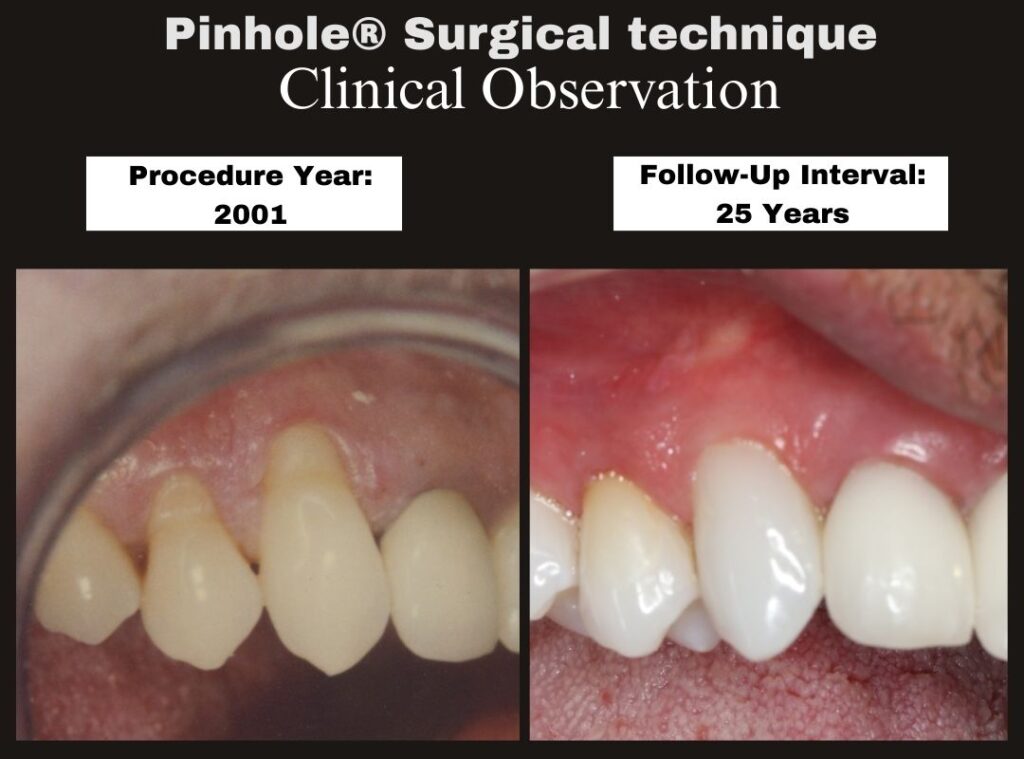
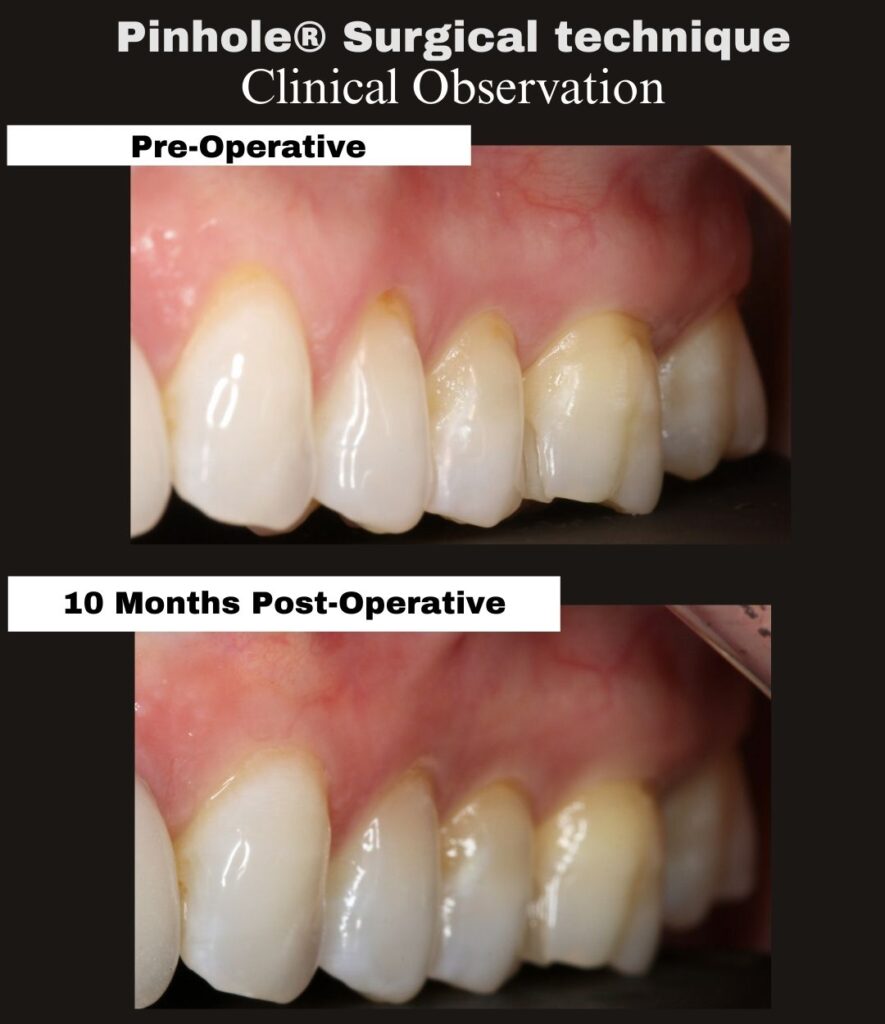
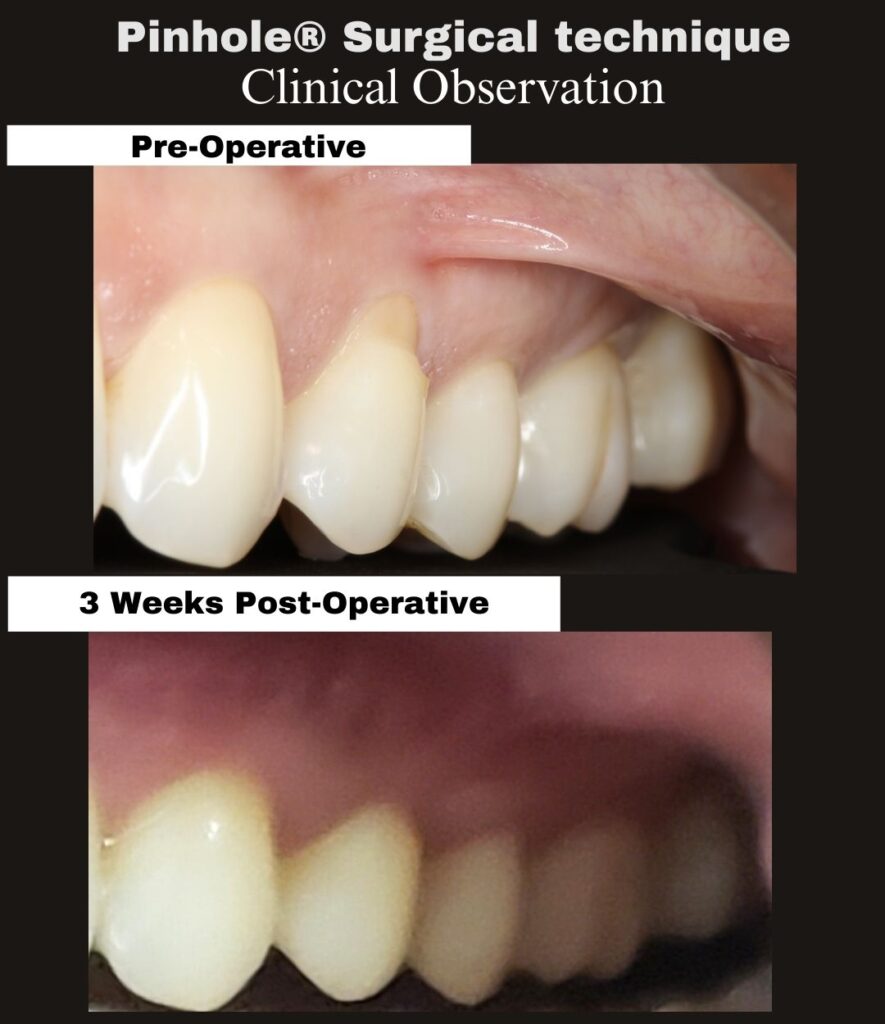
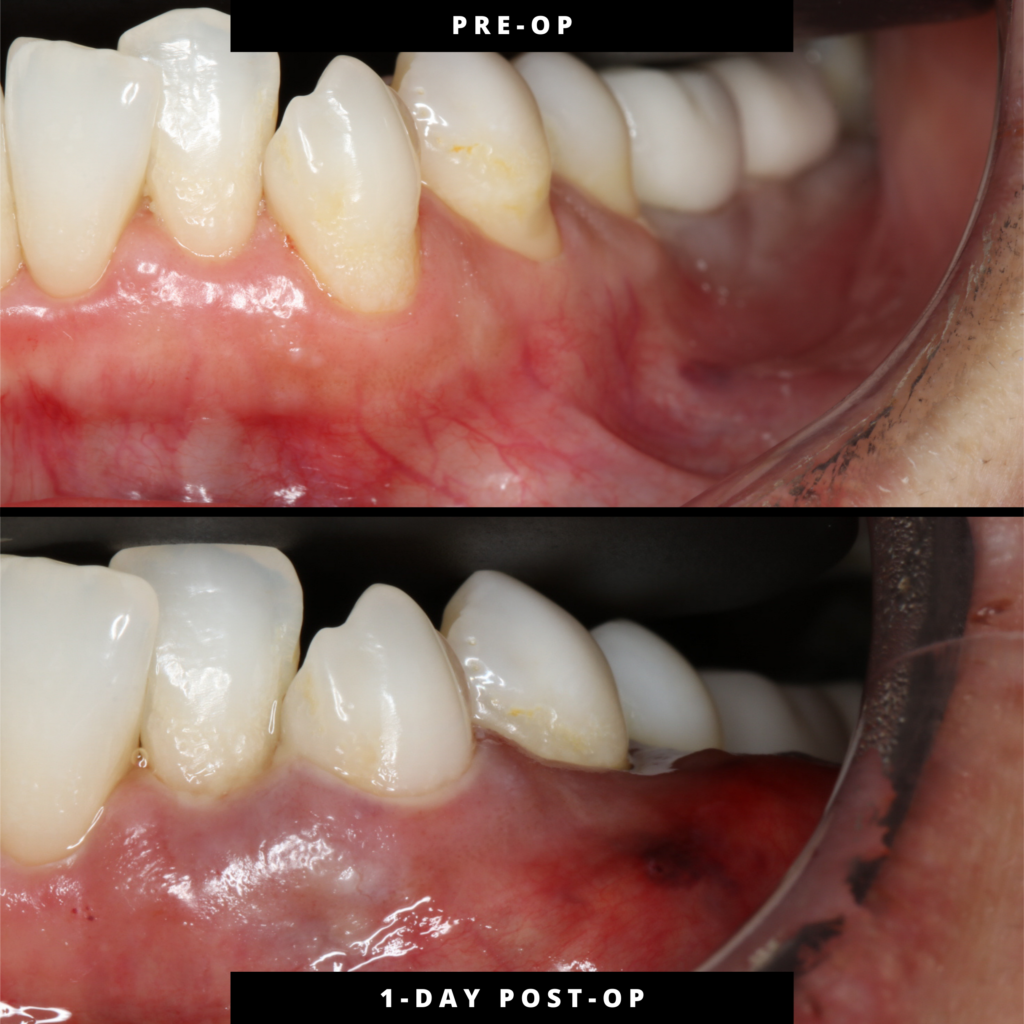
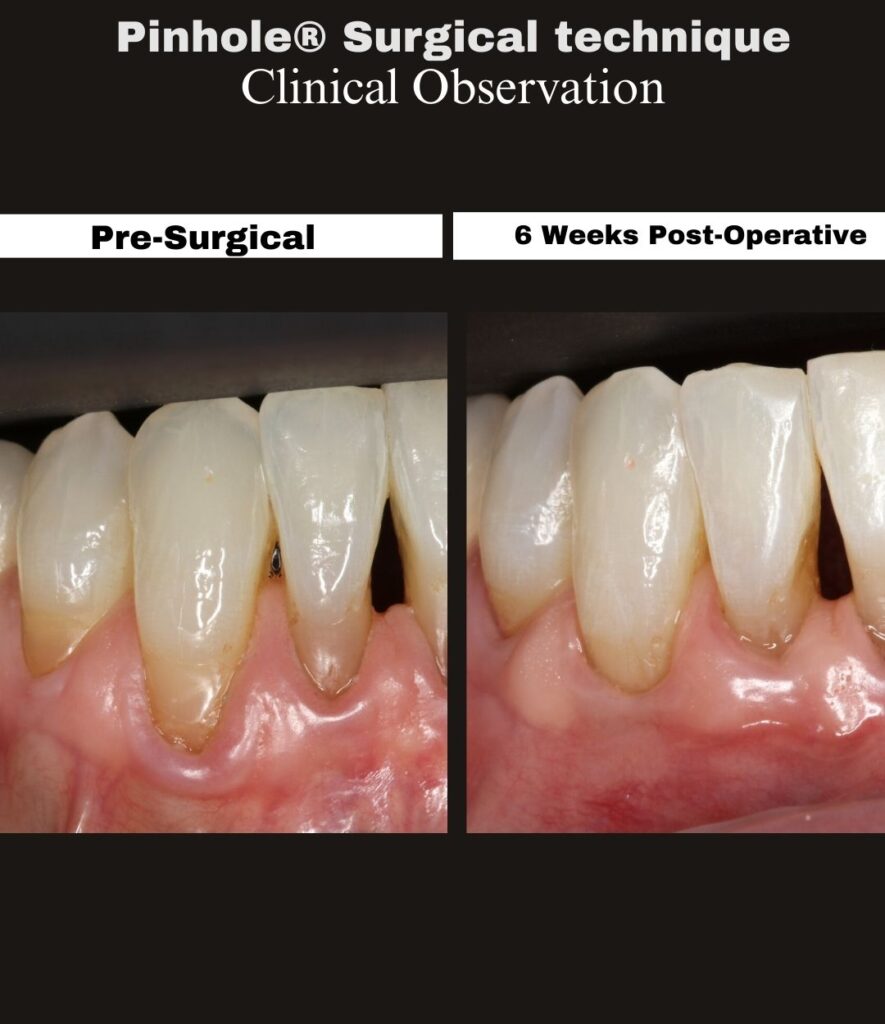
We’re pleased to share a 2-month clinical follow-up demonstrating continued healing and gingival stability following treatment with the Pinhole® Surgical Technique (PST).

This case, performed by Dr. Alex Melenti (Romania), highlights the biologic healing process that continues well beyond the immediate post-operative period. At two months, the treated sites show improved gingival position, healthier tissue appearance, and encouraging early stability—consistent with expected PST healing patterns.

Immediate post-operative gingival position is not intended to represent the final outcome. Instead, final tissue position and contour continue to evolve as healing and maturation progress over time.

We congratulate Dr. Melenti on these excellent early results and thank him for contributing his case to the professional PST community.

Sharing Strengthens the Community

We welcome case submissions from Pinhole-trained doctors. If you would like to share your clinical results—early healing, mid-term follow-ups, or long-term outcomes—please send your cases to PSTAcademy@gmail.com.

Case images courtesy of Dr. Alex Melenti, DDS (Romania).

Pinhole News

Clinical Observation — Gingival Recession

Case Identification

Procedure: Pinhole® Surgical Technique
Tooth/Teeth: #5–12
Procedure date: 01/06/26
Post-operative interval: 1 Week
Post-operative examination date: 01/14/26
Procedure time: 11:35 AM – 1:00 PM (85 minutes)

This case documents the early post-operative healing phase following treatment of maxillary gingival recession using the Pinhole® Surgical Technique.

As recorded at the time of surgery, the primary clinical objective was to achieve adequate release and controlled overcorrection in order to increase soft-tissue thickness and establish a biologic environment supportive of long-term stability. Immediate gingival position at the time of surgery was not intended to represent the final outcome.

At 1 week post-procedure, the treated sites demonstrate:

• Early tissue stabilization
• Reduction in post-operative inflammation
• Increased soft-tissue volume consistent with controlled overcorrection
• Intact tissue continuity without incisions or sutures

At this interval, healing remains in the early biologic remodeling phase. Gingival margin position may continue to change as inflammation resolves and tissue maturation progresses. Final gingival margin position is determined by the patient’s host tissue response, not by intraoperative placement alone.

The clinical focus of this early post-operative evaluation is assessment of tissue response, stability of soft-tissue positioning, and progression of biologic healing.

The Pinhole® Surgical Technique was developed by Dr. John Chao as a biologically guided, minimally invasive approach to the management of gingival recession.
For additional information:
www.pinholesurgicaltechnique.com

#PinholeSurgicalTechnique #ClinicalObservation #GingivalRecession #EarlyHealing #BiologyDrivenHealing #MinimallyInvasivePeriodontics #DrJohnChao

Pinhole News

Clinical Observation — Gingival Recession

Case Identification

Procedure: Pinhole® Surgical Technique
Tooth/Teeth: #20–27
Procedure year: 2011
Follow-up interval: 14 Years
Follow-up examination date: 01/12/26


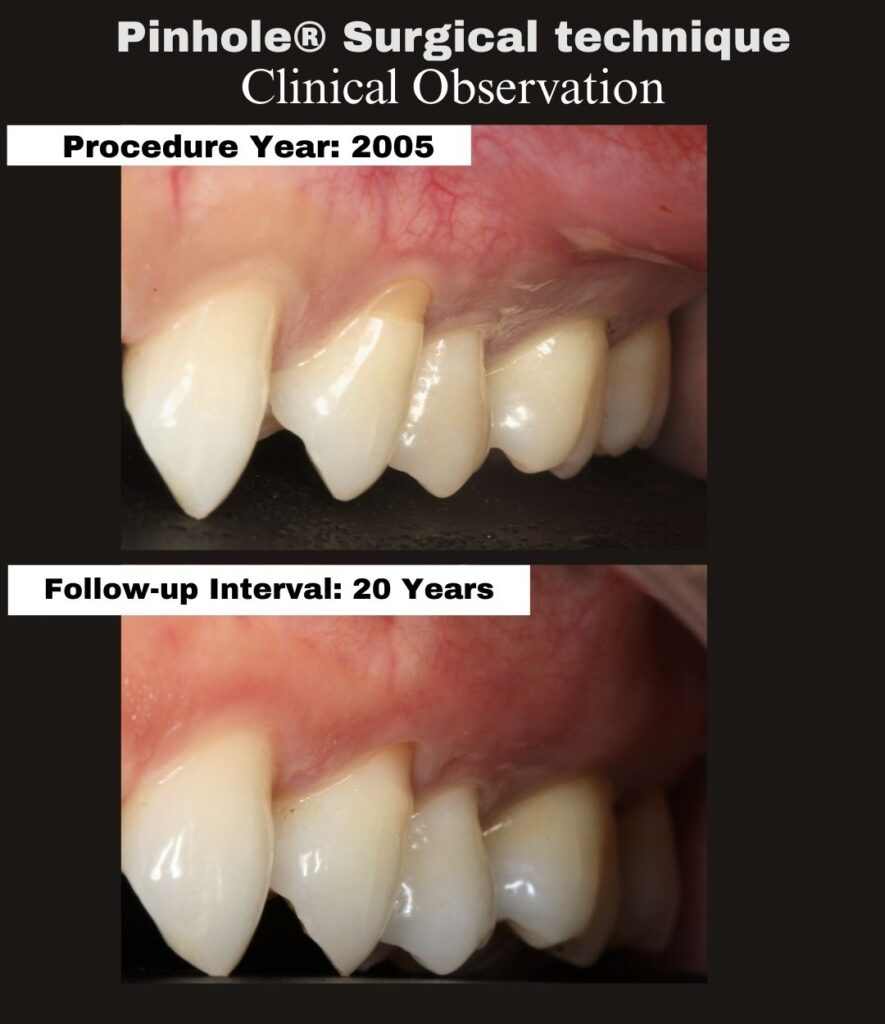
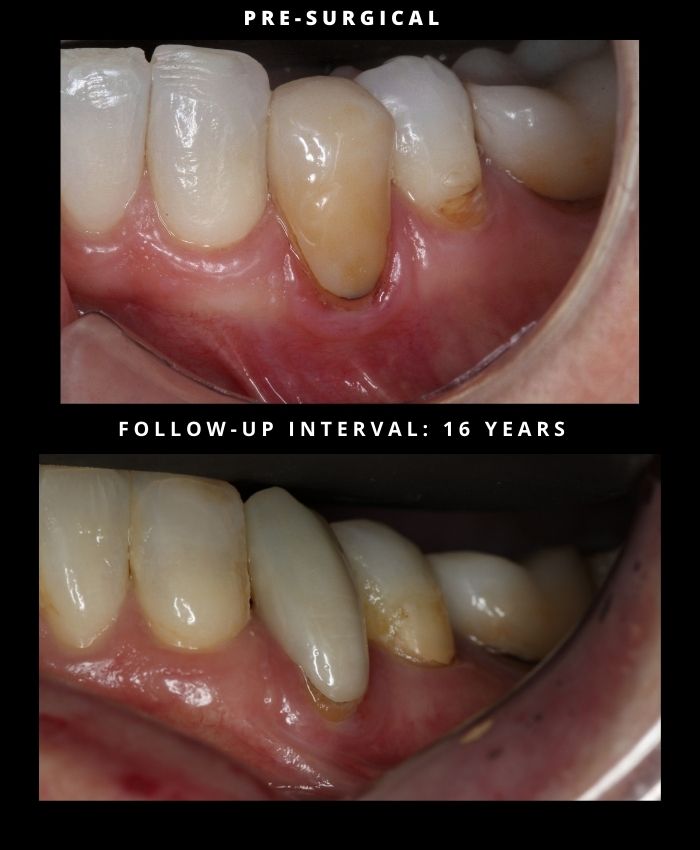
This case documents the long-term clinical stability following treatment of mandibular anterior gingival recession using the Pinhole® Surgical Technique.

As recorded at the time of surgery, the primary clinical objective was to achieve adequate release and controlled overcorrection in order to increase soft-tissue thickness and establish a biologic environment supportive of long-term stability. Immediate gingival position at the time of surgery was not intended to represent the final outcome.

At 14 years post-procedure, the treated sites demonstrate:

• Stable gingival margin position
• Preservation of soft-tissue thickness and contour
• Absence of recurrent gingival recession
• Healthy tissue tone consistent with mature biologic remodeling

At this interval, healing and tissue maturation are considered complete. The observed stability reflects long-term host tissue adaptation following establishment of a favorable biologic environment at the time of treatment. Final gingival margin position is determined by the patient’s host tissue response, not by intraoperative placement alone.

The clinical focus of this long-term follow-up is assessment of durability, tissue stability, and maintenance of gingival health over time.

The Pinhole® Surgical Technique was developed by Dr. John Chao as a biologically guided, minimally invasive approach to the management of gingival recession.
For additional information:
www.pinholesurgicaltechnique.com

#PinholeSurgicalTechnique #ClinicalObservation #GingivalRecession #LongTermStability #BiologyDrivenHealing #MinimallyInvasivePeriodontics #DrJohnChao

Pinhole News

Clinical Observation — Gingival Recession

Case Identification

Procedure: Pinhole® Surgical Technique
Tooth/Teeth: #3–5, #12–15
Procedure date: 01/05/26
Post-operative interval: 1 Week
Post-operative date: 01/12/26
Procedure time: 11:27 AM – 12:11 PM (44 minutes)

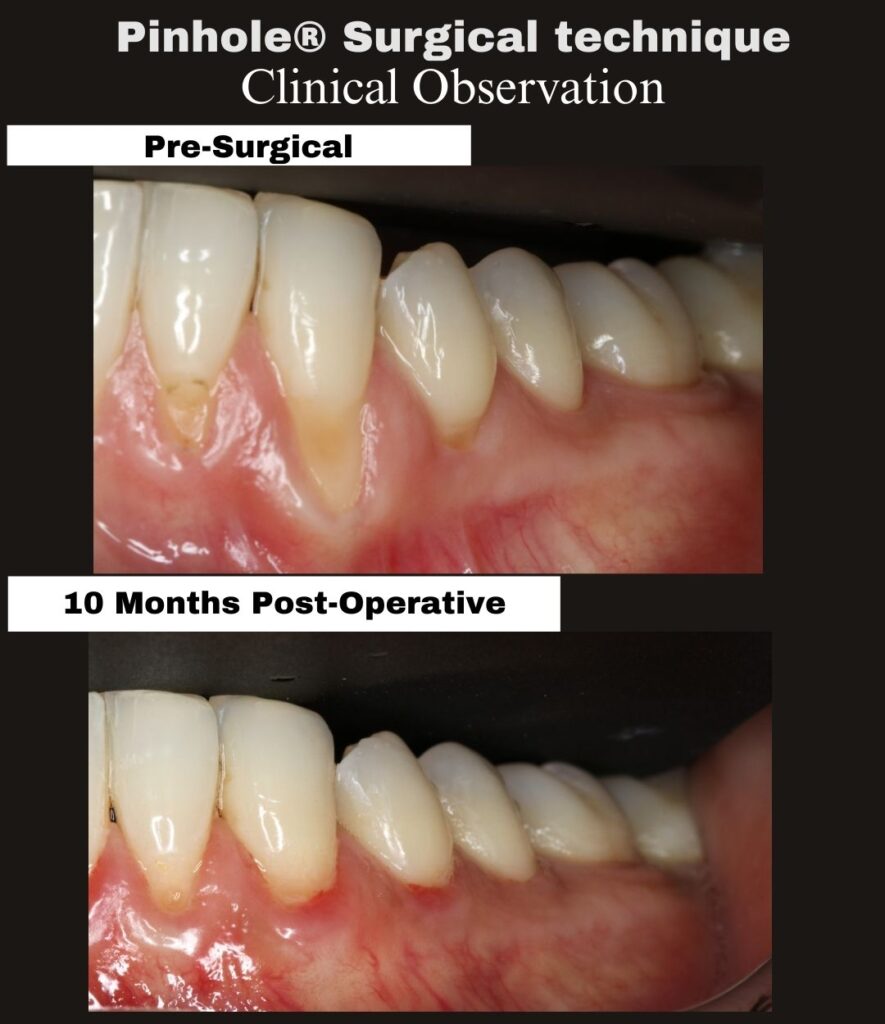
This case documents the early post-operative healing phase following treatment of localized gingival recession using the Pinhole® Surgical Technique.

As recorded intraoperatively, the primary clinical objective was to achieve adequate release and controlled overcorrection to increase soft-tissue thickness and support long-term stability. Immediate gingival position at the time of surgery was not intended to represent the final outcome.

At 1 week post-procedure, the treated sites demonstrate:

• Early tissue stabilization
• Reduction in post-operative inflammation
• Increased soft-tissue volume consistent with controlled overcorrection
• Intact tissue continuity without incisions or sutures

At this interval, healing remains in the early biologic remodeling phase. Gingival margin position may continue to change as inflammation resolves and tissue maturation progresses. Final gingival position is determined by the patient’s host tissue response, not by intraoperative placement alone.

The clinical focus at this stage is confirmation of tissue stability and preservation of a biologic environment supportive of continued healing.

The Pinhole® Surgical Technique was developed by Dr. John Chao as a biologically guided, minimally invasive approach to the management of gingival recession.
For additional information:
www.pinholesurgicaltechnique.com

PinholeSurgicalTechnique #ClinicalObservation #GingivalRecession #EarlyHealing #BiologyDrivenHealing #MinimallyInvasivePeriodontics #DrJohnChao

Pinhole News

Clinical Observation — Gingival Recession

Case Identification

Procedure: Pinhole® Surgical Technique
Tooth/Teeth: #3, #8–9, #13–14, #27–28
Procedure date: 11/19/25
Post-operative interval: 7 Weeks
Post-operative date: 01/12/26
Procedure time:
Upper: 11:00 AM – 11:30 AM (30 minutes)

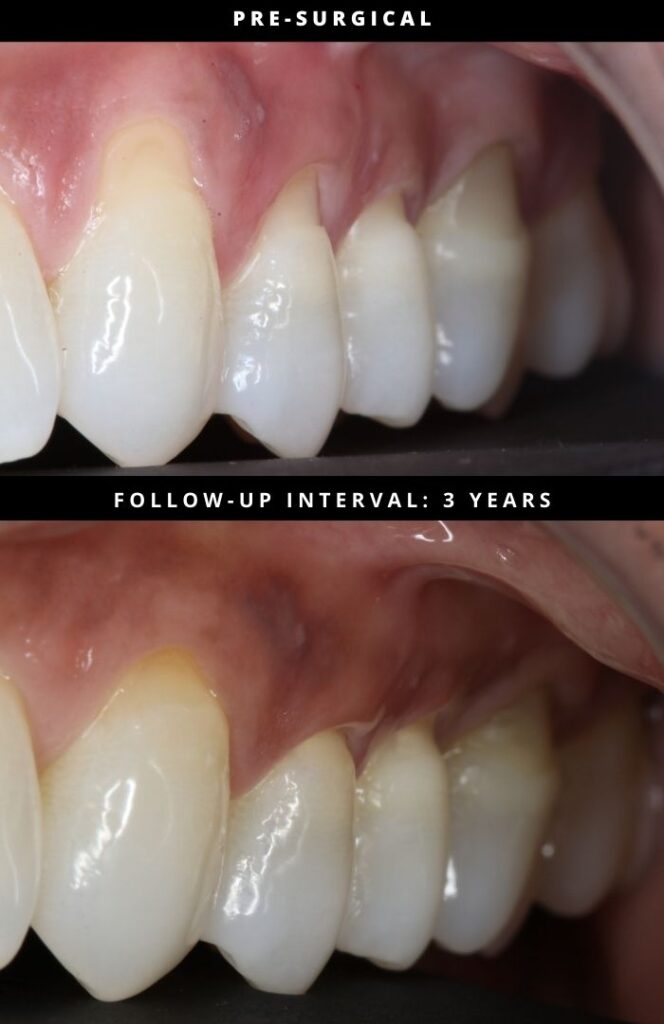
This case documents the early tissue maturation phase following treatment of generalized gingival recession using the Pinhole® Surgical Technique.

As noted in the operative record, the primary clinical objective was to achieve adequate release and controlled overcorrection in order to increase soft-tissue thickness and long-term stability. Immediate gingival position at the time of surgery was not intended to represent the final outcome.

At 7 weeks post-procedure, the treated sites demonstrate:

• Stable gingival margin position
• Continued reduction in vascularity and inflammation
• Improved tissue density and biotype maturation
• Enhanced integration with surrounding mucosa

At this interval, active healing has transitioned into biologic remodeling and consolidation. No further coronal movement is observed; instead, the tissue continues to refine in thickness, color, and texture. Final gingival position is determined by the patient’s host tissue response, not by intraoperative placement alone.

The clinical focus at this stage is confirmation of stability and preservation of a biologic environment that supports long-term tissue health.

The Pinhole® Surgical Technique was developed by Dr. John Chao as a biologically guided, minimally invasive approach to the management of gingival recession.
For additional information:
www.pinholesurgicaltechnique.com

#PinholeSurgicalTechnique #ClinicalObservation #GingivalRecession #TissueMaturation #BiologyDrivenHealing #MinimallyInvasivePeriodontics #DrJohnChao

Pinhole News

Clinical Observation — Gingival Recession

Case Identification

Procedure: Pinhole® Surgical Technique
Tooth/Teeth: #3, #5–7, #9–14, #20–28
Procedure date: 01/09/26
Post-operative interval: 3 Days
Post-operative date: 01/12/26
Procedure time: 11:23 AM – 12:30 PM (53 minutes)

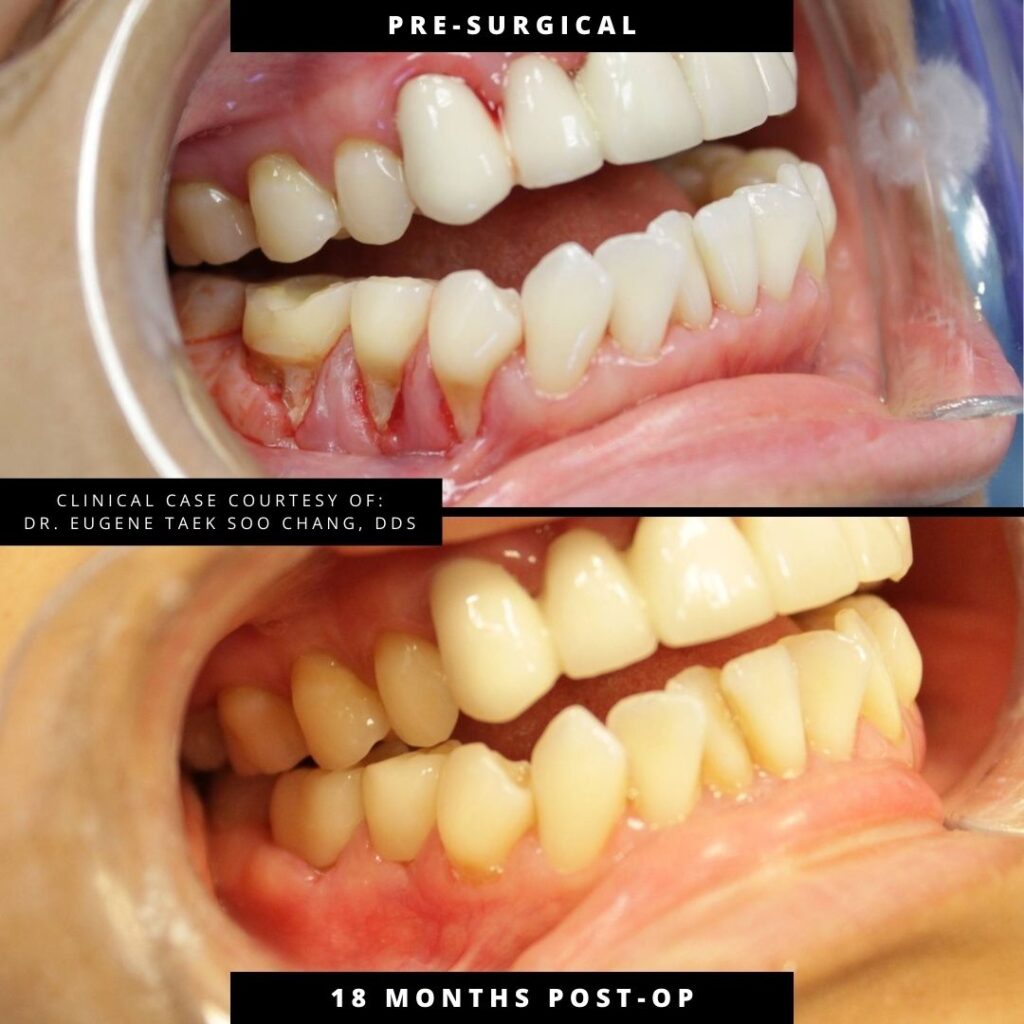
This video documents the early post-operative healing phase (72 hours) following treatment of generalized gingival recession using the Pinhole® Surgical Technique.

As noted in the operative record from January 9, 2026, the primary clinical objective was to establish adequate release and controlled overcorrection in order to improve soft-tissue thickness and stability. Immediate gingival position at this stage is not intended to represent the final outcome.

At 3 days post-procedure, the treated sites demonstrate:

Early tissue adaptation and stabilization

Absence of incisions or sutures

Initial soft-tissue volume consistent with controlled overcorrection

At this interval, healing remains in the inflammatory and early proliferative phase. Gingival margin position will continue to change as biologic remodeling progresses. Final tissue position is determined by the patient’s host tissue response, not by intraoperative placement alone.

The clinical focus at this stage is preservation of a stable environment to allow biologic healing to proceed without disruption.

The Pinhole® Surgical Technique was developed by Dr. John Chao as a biologically guided, minimally invasive approach to the management of gingival recession.
For additional information:
www.pinholesurgicaltechnique.com

PinholeSurgicalTechnique #ClinicalObservation #GingivalRecession #EarlyHealing #BiologyDrivenHealing #MinimallyInvasivePeriodontics #DrJohnChao

Pinhole News

The Key to Long-Term Pinhole® Success: Overcorrection

If you aren’t overcorrecting, you aren’t finished.

Dear Pinhole® Graduate,

We know the feeling. You finish a case, the gum line looks perfect, right at the CEJ. It looks great for the patient today. But we also know the biology of healing: tissue settles.

If you aim for “perfect” coverage on the day of surgery, you may fall short months later.

The Key is Overcorrection. To achieve a result that lasts for years, you must achieve a result that looks “too high” immediately after surgery. You need to overcorrect to account for the natural settling process.

This is the secret to better tissue quality and a better gum line. When you have enough release to overcorrect, you get thicker, healthier tissue regeneration rather than a thin, stretched margin.

But how do you get that much release without tension?

The Solution: New Instrument Sequencing

Many doctors struggle to get the tissue high enough because they encounter resistance. We have solved this with a new sequencing protocol introduced in our latest Refresher Course.

The Protocol: “Slim After Regular” By using a Slim Instrument immediately after every Regular Instrument pass, you achieve a significantly deeper, tension-free release.

  • The Regular Instrument creates the path.
  • The Slim Instrument immediately expands the release in tight spaces that the regular tool misses.

This combination unlocks the tissue so completely that overcorrection becomes effortless.

Pinhole News

Clinical Observation — Early Healing Phase

Pinhole® Surgical Technique
Tooth #25
Procedure date: 12/16/25
Post-op interval: 3 weeks
Procedure time: 3:01 PM – 4:45 PM

This case documents the early healing phase following treatment of localized gingival recession at tooth #25 using the Pinhole® Surgical Technique, a minimally invasive approach developed to reposition gingival tissue without scalpel incisions or sutures.

At 3 weeks post-procedure, the treated site demonstrates:
    •    Increased soft-tissue thickness
    •    Improved tissue continuity and surface maturation
    •    Reduced marginal inflammation relative to baseline

At this stage, the final resting position of the gingival margin has not yet declared, as continued biologic remodeling is expected. The clinical objective of the procedure was to establish a stable soft-tissue environment and allow the patient’s own biology to determine long-term tissue position.

📸

 Baseline → 3-week post-operative observation

The Pinhole® Surgical Technique is designed to create conditions favorable for healing while minimizing surgical trauma and patient downtime.

For additional information:
www.pinholesurgicaltechnique.com
626-248-3264

#PinholeSurgicalTechnique
#ClinicalObservation
#GingivalRecession
#MinimallyInvasivePeriodontics
#Tooth25
#BiologyDrivenHealing
#DrJohnChao