Pinhole News

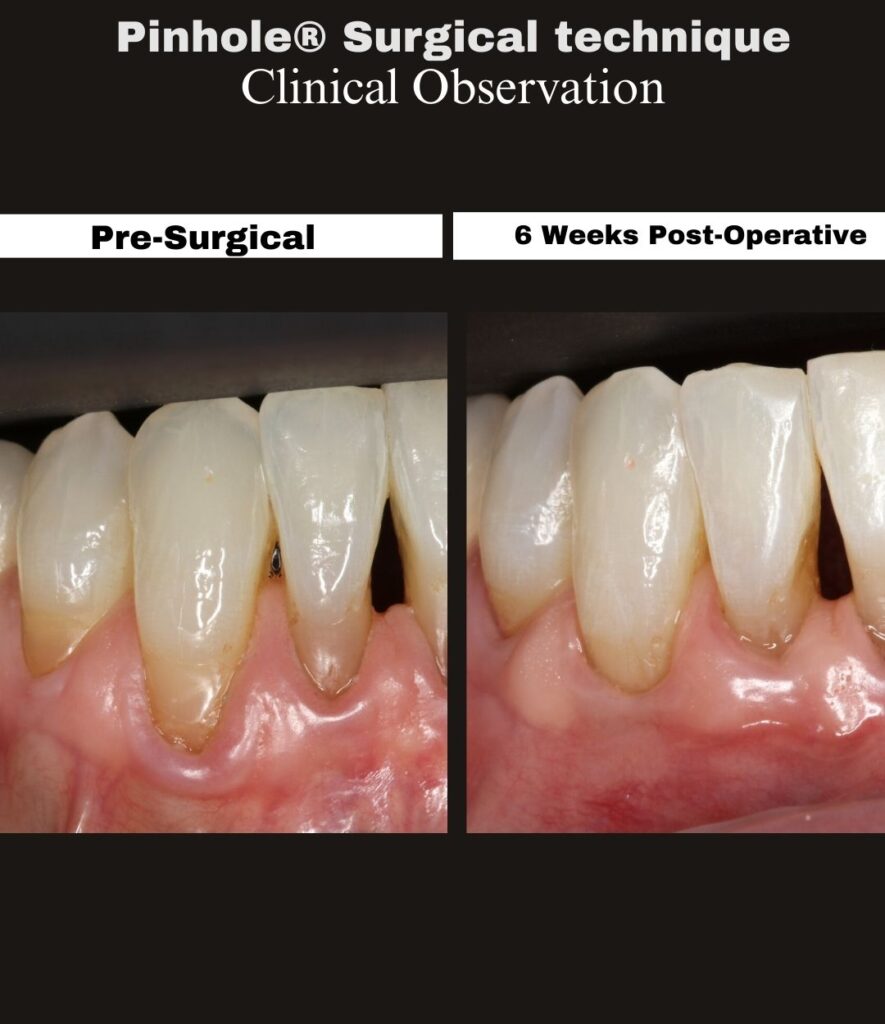
2-Month Follow-Up: Pinhole® Surgical Technique Case by Dr. Alex Melenti (Romania)

We’re pleased to share a 2-month clinical follow-up demonstrating continued healing and gingival stability following treatment with the Pinhole® Surgical Technique (PST).

This case, performed by Dr. Alex Melenti (Romania), highlights the biologic healing process that continues well beyond the immediate post-operative period. At two months, the treated sites show improved gingival position, healthier tissue appearance, and encouraging early stability—consistent with expected PST healing patterns.

Immediate post-operative gingival position is not intended to represent the final outcome. Instead, final tissue position and contour continue to evolve as healing and maturation progress over time.

We congratulate Dr. Melenti on these excellent early results and thank him for contributing his case to the professional PST community.

Sharing Strengthens the Community

We welcome case submissions from Pinhole-trained doctors. If you would like to share your clinical results—early healing, mid-term follow-ups, or long-term outcomes—please send your cases to PSTAcademy@gmail.com.

Case images courtesy of Dr. Alex Melenti, DDS (Romania).

Pinhole News

Clinical Observation — Gingival Recession

Case Identification

Procedure: Pinhole® Surgical Technique
Tooth/Teeth: #5–12
Procedure date: 01/06/26
Post-operative interval: 1 Week
Post-operative examination date: 01/14/26
Procedure time: 11:35 AM – 1:00 PM (85 minutes)

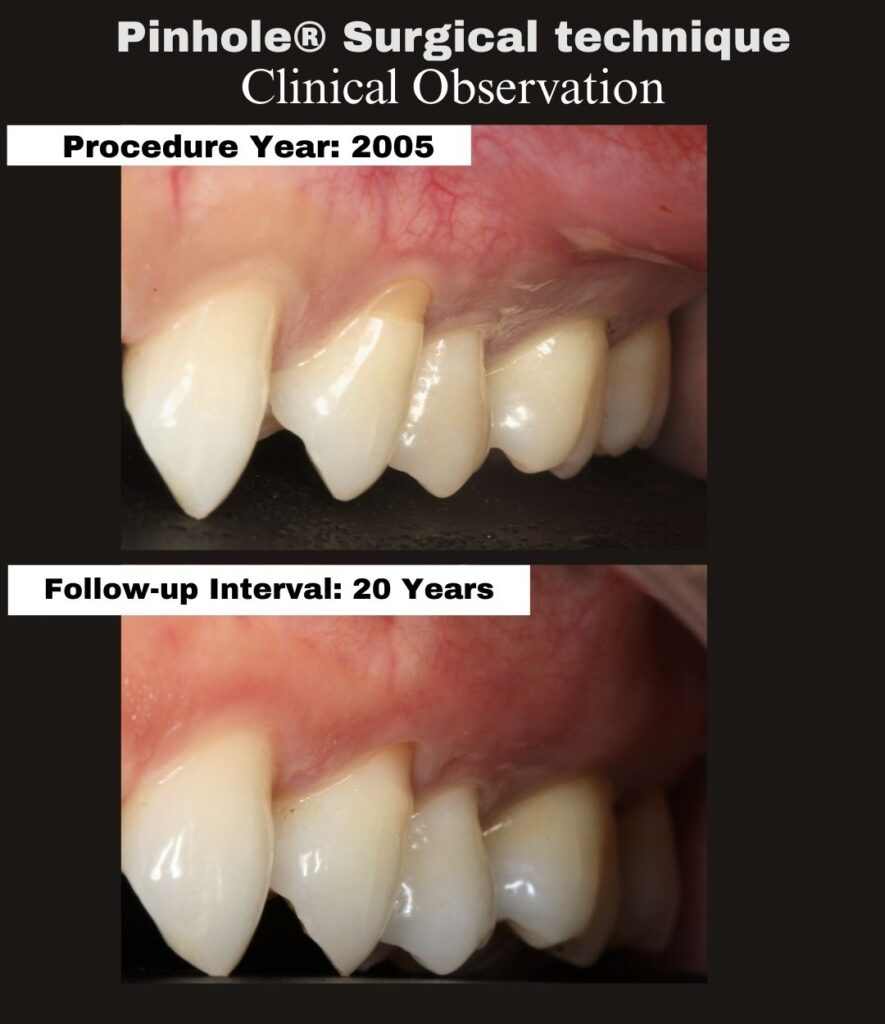
This case documents the early post-operative healing phase following treatment of maxillary gingival recession using the Pinhole® Surgical Technique.

As recorded at the time of surgery, the primary clinical objective was to achieve adequate release and controlled overcorrection in order to increase soft-tissue thickness and establish a biologic environment supportive of long-term stability. Immediate gingival position at the time of surgery was not intended to represent the final outcome.

At 1 week post-procedure, the treated sites demonstrate:

• Early tissue stabilization
• Reduction in post-operative inflammation
• Increased soft-tissue volume consistent with controlled overcorrection
• Intact tissue continuity without incisions or sutures

At this interval, healing remains in the early biologic remodeling phase. Gingival margin position may continue to change as inflammation resolves and tissue maturation progresses. Final gingival margin position is determined by the patient’s host tissue response, not by intraoperative placement alone.

The clinical focus of this early post-operative evaluation is assessment of tissue response, stability of soft-tissue positioning, and progression of biologic healing.

The Pinhole® Surgical Technique was developed by Dr. John Chao as a biologically guided, minimally invasive approach to the management of gingival recession.
For additional information:
www.pinholesurgicaltechnique.com

#PinholeSurgicalTechnique #ClinicalObservation #GingivalRecession #EarlyHealing #BiologyDrivenHealing #MinimallyInvasivePeriodontics #DrJohnChao

Pinhole News

Clinical Observation — Gingival Recession

Case Identification

Procedure: Pinhole® Surgical Technique
Tooth/Teeth: #20–27
Procedure year: 2011
Follow-up interval: 14 Years
Follow-up examination date: 01/12/26


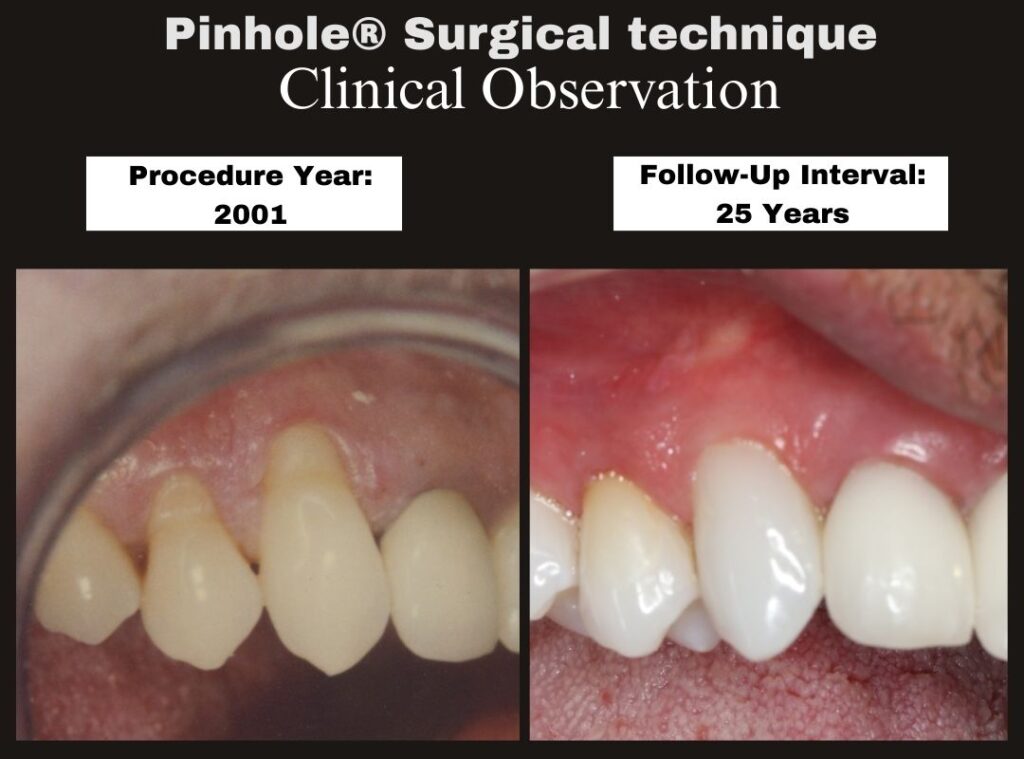
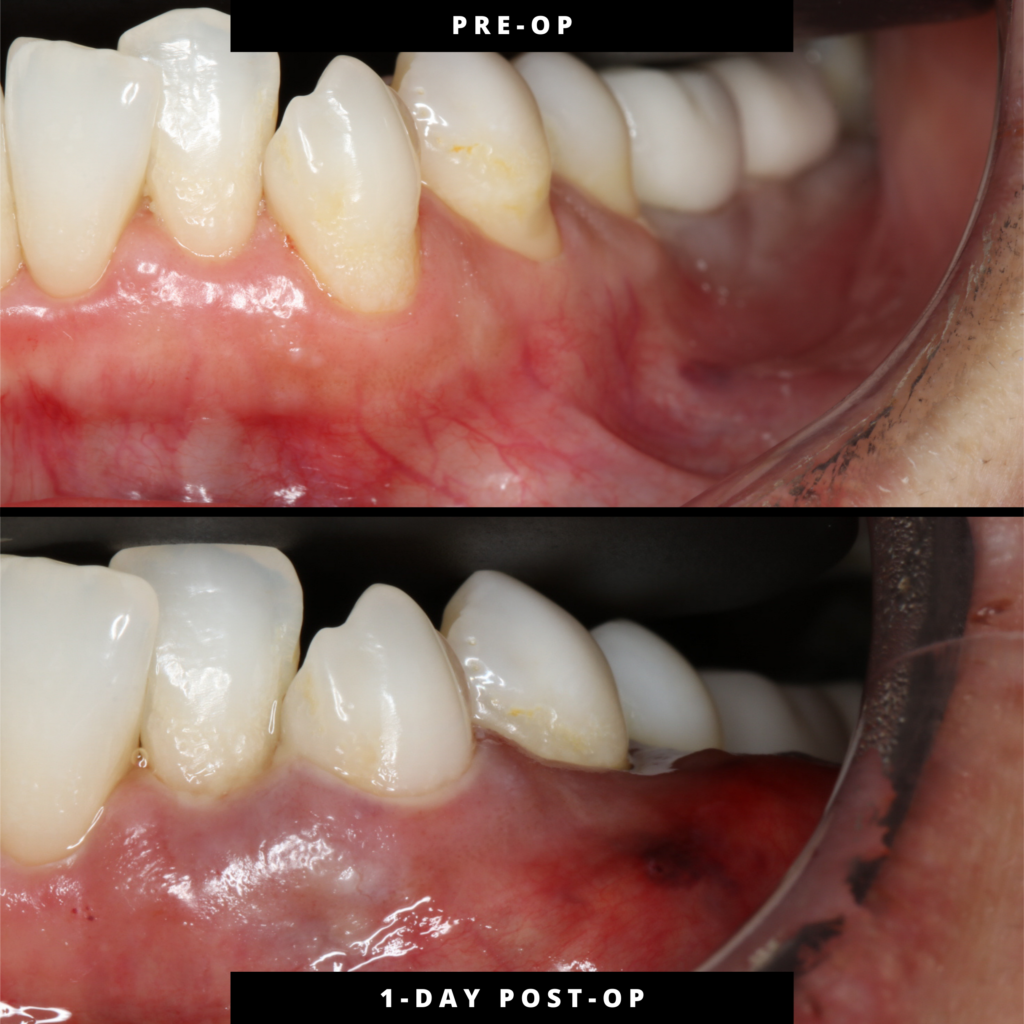
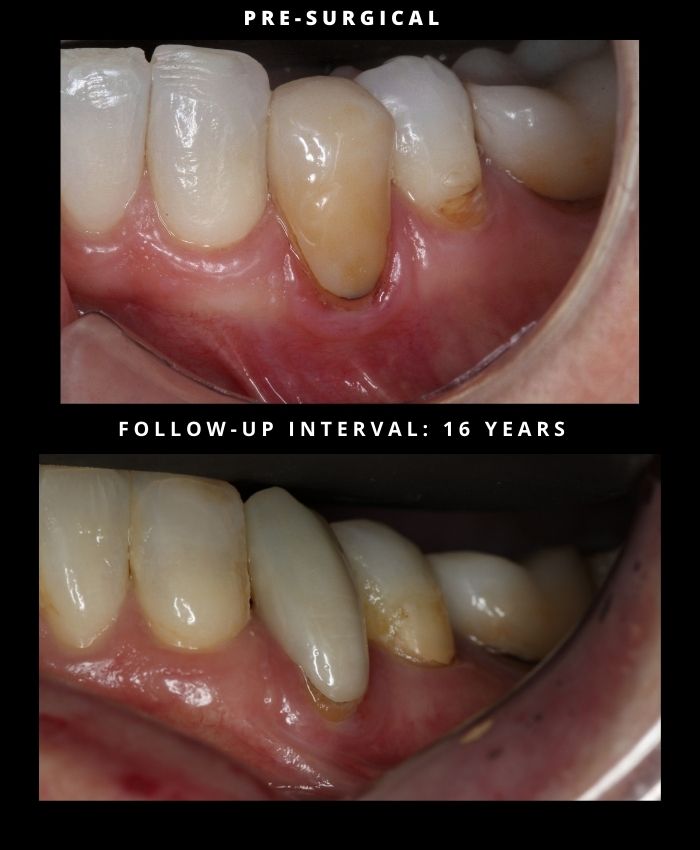
This case documents the long-term clinical stability following treatment of mandibular anterior gingival recession using the Pinhole® Surgical Technique.

As recorded at the time of surgery, the primary clinical objective was to achieve adequate release and controlled overcorrection in order to increase soft-tissue thickness and establish a biologic environment supportive of long-term stability. Immediate gingival position at the time of surgery was not intended to represent the final outcome.

At 14 years post-procedure, the treated sites demonstrate:

• Stable gingival margin position
• Preservation of soft-tissue thickness and contour
• Absence of recurrent gingival recession
• Healthy tissue tone consistent with mature biologic remodeling

At this interval, healing and tissue maturation are considered complete. The observed stability reflects long-term host tissue adaptation following establishment of a favorable biologic environment at the time of treatment. Final gingival margin position is determined by the patient’s host tissue response, not by intraoperative placement alone.

The clinical focus of this long-term follow-up is assessment of durability, tissue stability, and maintenance of gingival health over time.

The Pinhole® Surgical Technique was developed by Dr. John Chao as a biologically guided, minimally invasive approach to the management of gingival recession.
For additional information:
www.pinholesurgicaltechnique.com

#PinholeSurgicalTechnique #ClinicalObservation #GingivalRecession #LongTermStability #BiologyDrivenHealing #MinimallyInvasivePeriodontics #DrJohnChao

Pinhole News

Clinical Observation — Gingival Recession

Case Identification

Procedure: Pinhole® Surgical Technique
Tooth/Teeth: #3–5, #12–15
Procedure date: 01/05/26
Post-operative interval: 1 Week
Post-operative date: 01/12/26
Procedure time: 11:27 AM – 12:11 PM (44 minutes)

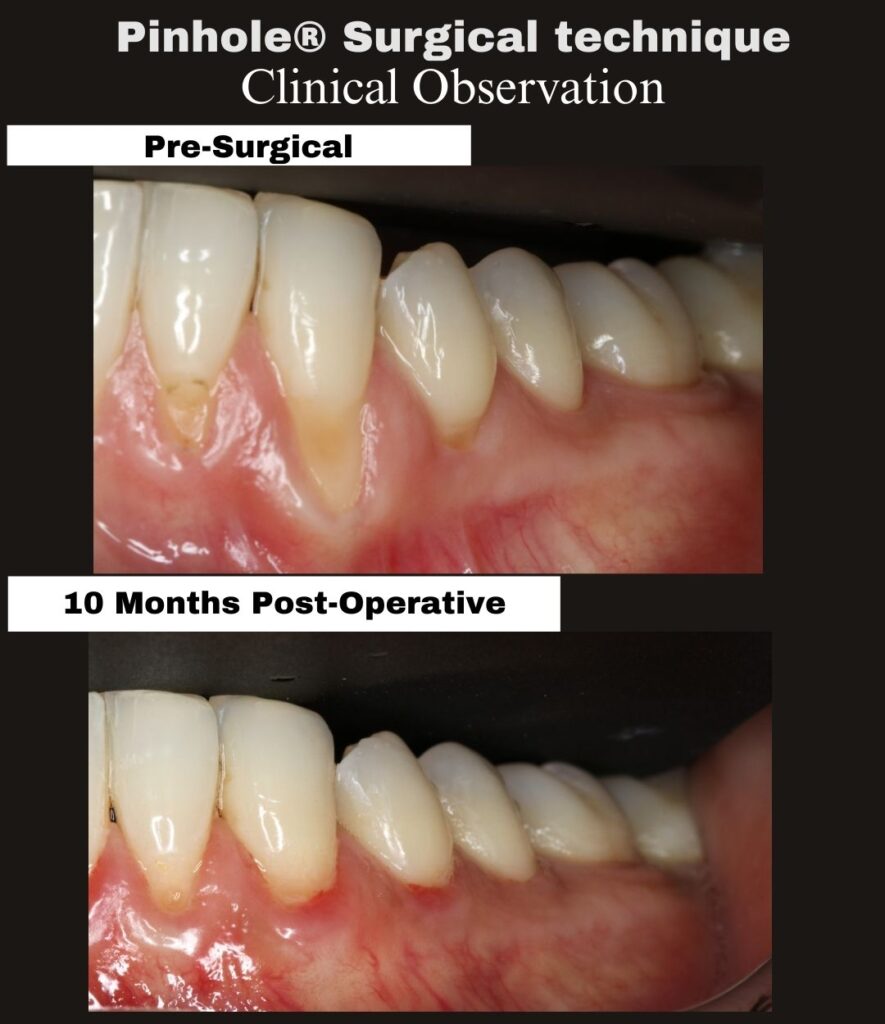
This case documents the early post-operative healing phase following treatment of localized gingival recession using the Pinhole® Surgical Technique.

As recorded intraoperatively, the primary clinical objective was to achieve adequate release and controlled overcorrection to increase soft-tissue thickness and support long-term stability. Immediate gingival position at the time of surgery was not intended to represent the final outcome.

At 1 week post-procedure, the treated sites demonstrate:

• Early tissue stabilization
• Reduction in post-operative inflammation
• Increased soft-tissue volume consistent with controlled overcorrection
• Intact tissue continuity without incisions or sutures

At this interval, healing remains in the early biologic remodeling phase. Gingival margin position may continue to change as inflammation resolves and tissue maturation progresses. Final gingival position is determined by the patient’s host tissue response, not by intraoperative placement alone.

The clinical focus at this stage is confirmation of tissue stability and preservation of a biologic environment supportive of continued healing.

The Pinhole® Surgical Technique was developed by Dr. John Chao as a biologically guided, minimally invasive approach to the management of gingival recession.
For additional information:
www.pinholesurgicaltechnique.com

PinholeSurgicalTechnique #ClinicalObservation #GingivalRecession #EarlyHealing #BiologyDrivenHealing #MinimallyInvasivePeriodontics #DrJohnChao

Pinhole News

Clinical Observation — Gingival Recession

Case Identification

Procedure: Pinhole® Surgical Technique
Tooth/Teeth: #3, #8–9, #13–14, #27–28
Procedure date: 11/19/25
Post-operative interval: 7 Weeks
Post-operative date: 01/12/26
Procedure time:
Upper: 11:00 AM – 11:30 AM (30 minutes)

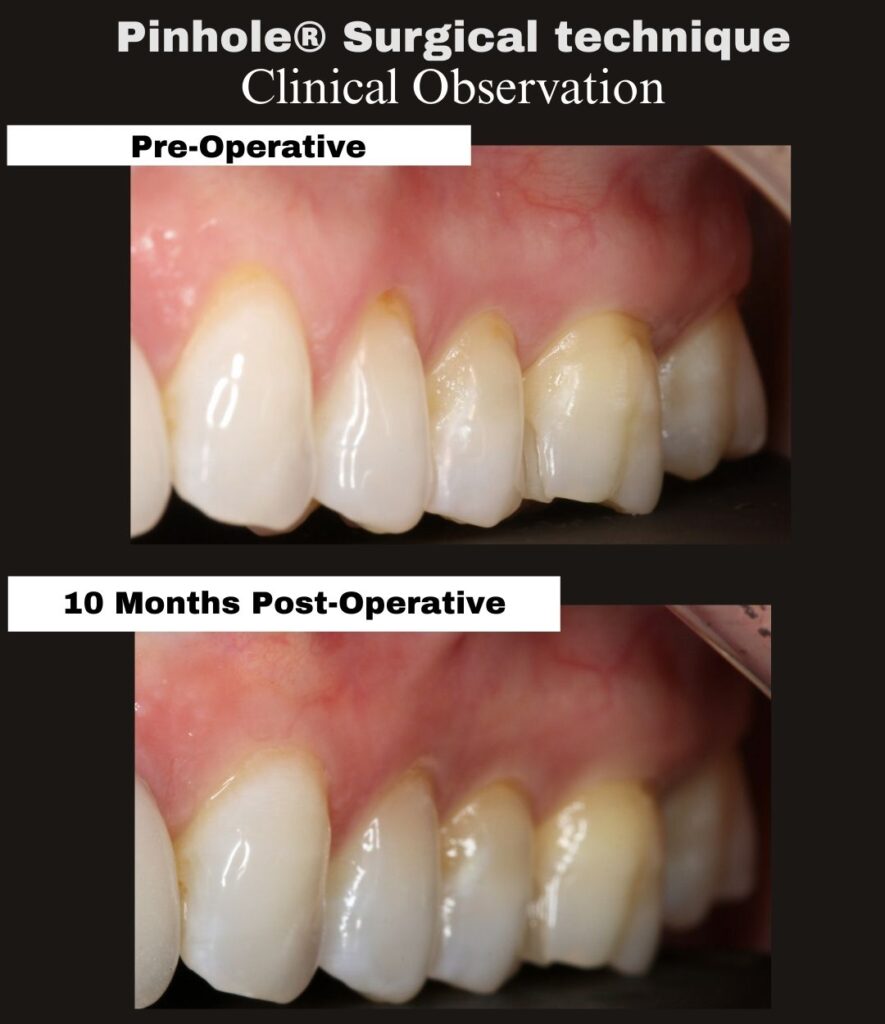
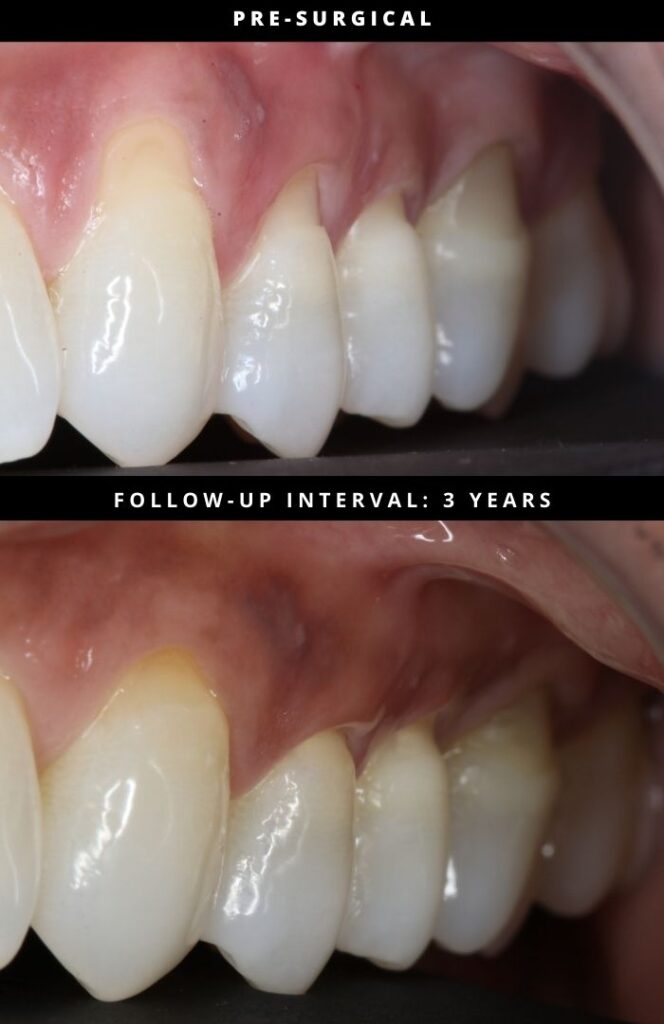
This case documents the early tissue maturation phase following treatment of generalized gingival recession using the Pinhole® Surgical Technique.

As noted in the operative record, the primary clinical objective was to achieve adequate release and controlled overcorrection in order to increase soft-tissue thickness and long-term stability. Immediate gingival position at the time of surgery was not intended to represent the final outcome.

At 7 weeks post-procedure, the treated sites demonstrate:

• Stable gingival margin position
• Continued reduction in vascularity and inflammation
• Improved tissue density and biotype maturation
• Enhanced integration with surrounding mucosa

At this interval, active healing has transitioned into biologic remodeling and consolidation. No further coronal movement is observed; instead, the tissue continues to refine in thickness, color, and texture. Final gingival position is determined by the patient’s host tissue response, not by intraoperative placement alone.

The clinical focus at this stage is confirmation of stability and preservation of a biologic environment that supports long-term tissue health.

The Pinhole® Surgical Technique was developed by Dr. John Chao as a biologically guided, minimally invasive approach to the management of gingival recession.
For additional information:
www.pinholesurgicaltechnique.com

#PinholeSurgicalTechnique #ClinicalObservation #GingivalRecession #TissueMaturation #BiologyDrivenHealing #MinimallyInvasivePeriodontics #DrJohnChao

Pinhole News

Clinical Observation — Gingival Recession

Case Identification

Procedure: Pinhole® Surgical Technique
Tooth/Teeth: #3, #5–7, #9–14, #20–28
Procedure date: 01/09/26
Post-operative interval: 3 Days
Post-operative date: 01/12/26
Procedure time: 11:23 AM – 12:30 PM (53 minutes)

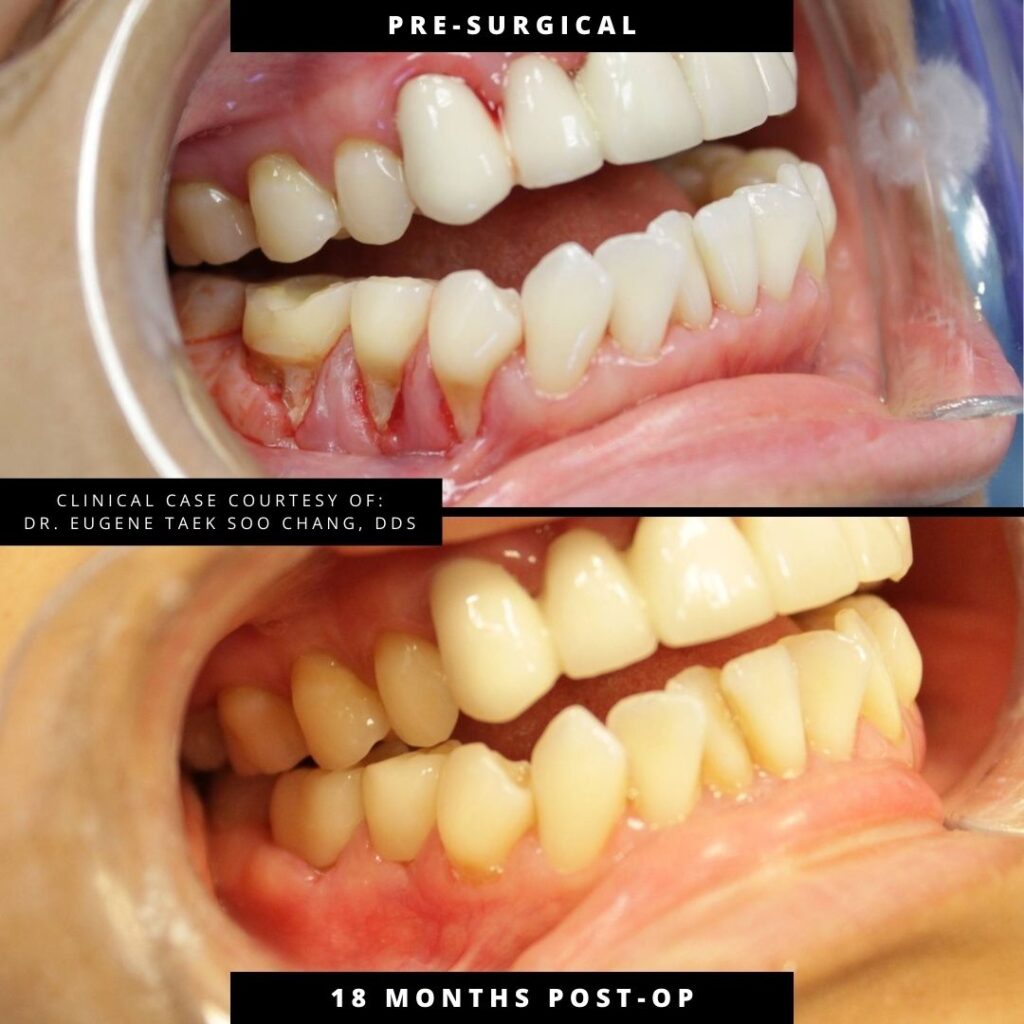
This video documents the early post-operative healing phase (72 hours) following treatment of generalized gingival recession using the Pinhole® Surgical Technique.

As noted in the operative record from January 9, 2026, the primary clinical objective was to establish adequate release and controlled overcorrection in order to improve soft-tissue thickness and stability. Immediate gingival position at this stage is not intended to represent the final outcome.

At 3 days post-procedure, the treated sites demonstrate:

Early tissue adaptation and stabilization

Absence of incisions or sutures

Initial soft-tissue volume consistent with controlled overcorrection

At this interval, healing remains in the inflammatory and early proliferative phase. Gingival margin position will continue to change as biologic remodeling progresses. Final tissue position is determined by the patient’s host tissue response, not by intraoperative placement alone.

The clinical focus at this stage is preservation of a stable environment to allow biologic healing to proceed without disruption.

The Pinhole® Surgical Technique was developed by Dr. John Chao as a biologically guided, minimally invasive approach to the management of gingival recession.
For additional information:
www.pinholesurgicaltechnique.com

PinholeSurgicalTechnique #ClinicalObservation #GingivalRecession #EarlyHealing #BiologyDrivenHealing #MinimallyInvasivePeriodontics #DrJohnChao

Pinhole News

The Key to Long-Term Pinhole® Success: Overcorrection

If you aren’t overcorrecting, you aren’t finished.

Dear Pinhole® Graduate,

We know the feeling. You finish a case, the gum line looks perfect, right at the CEJ. It looks great for the patient today. But we also know the biology of healing: tissue settles.

If you aim for “perfect” coverage on the day of surgery, you may fall short months later.

The Key is Overcorrection. To achieve a result that lasts for years, you must achieve a result that looks “too high” immediately after surgery. You need to overcorrect to account for the natural settling process.

This is the secret to better tissue quality and a better gum line. When you have enough release to overcorrect, you get thicker, healthier tissue regeneration rather than a thin, stretched margin.

But how do you get that much release without tension?

The Solution: New Instrument Sequencing

Many doctors struggle to get the tissue high enough because they encounter resistance. We have solved this with a new sequencing protocol introduced in our latest Refresher Course.

The Protocol: “Slim After Regular” By using a Slim Instrument immediately after every Regular Instrument pass, you achieve a significantly deeper, tension-free release.

  • The Regular Instrument creates the path.
  • The Slim Instrument immediately expands the release in tight spaces that the regular tool misses.

This combination unlocks the tissue so completely that overcorrection becomes effortless.

Pinhole News

Clinical Observation — Early Healing Phase

Pinhole® Surgical Technique
Tooth #25
Procedure date: 12/16/25
Post-op interval: 3 weeks
Procedure time: 3:01 PM – 4:45 PM

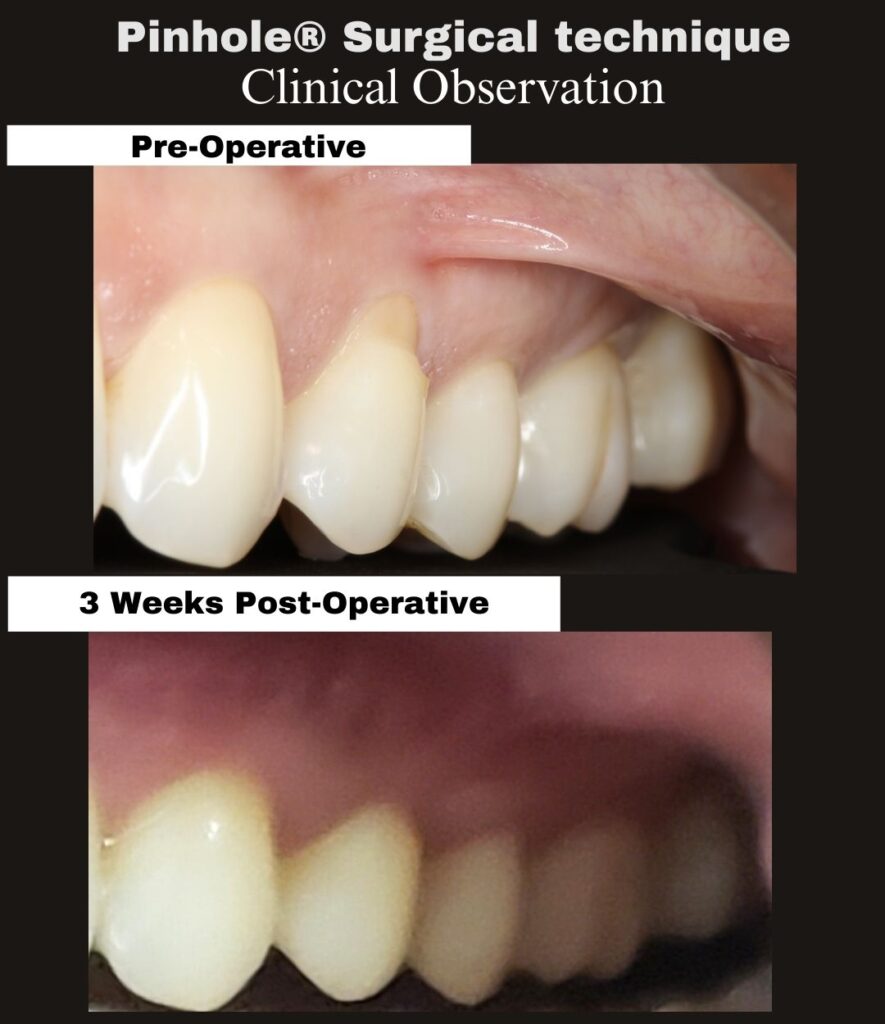
This case documents the early healing phase following treatment of localized gingival recession at tooth #25 using the Pinhole® Surgical Technique, a minimally invasive approach developed to reposition gingival tissue without scalpel incisions or sutures.

At 3 weeks post-procedure, the treated site demonstrates:
    •    Increased soft-tissue thickness
    •    Improved tissue continuity and surface maturation
    •    Reduced marginal inflammation relative to baseline

At this stage, the final resting position of the gingival margin has not yet declared, as continued biologic remodeling is expected. The clinical objective of the procedure was to establish a stable soft-tissue environment and allow the patient’s own biology to determine long-term tissue position.

📸

 Baseline → 3-week post-operative observation

The Pinhole® Surgical Technique is designed to create conditions favorable for healing while minimizing surgical trauma and patient downtime.

For additional information:
www.pinholesurgicaltechnique.com
626-248-3264

#PinholeSurgicalTechnique
#ClinicalObservation
#GingivalRecession
#MinimallyInvasivePeriodontics
#Tooth25
#BiologyDrivenHealing
#DrJohnChao

Study

Gingival Recession & Orthodontics: Gold Standard vs. Minimally Invasive Alternative

For root coverage, the subepithelial connective tissue graft (SCTG) has long been regarded as the gold standard for Miller Class I–II recession, with significant root coverage and keratinized tissue gain.1 However, newer evidence supports the Chao Pinhole® Surgical Technique (PST®) as a minimally invasive alternative that can be integrated before or in close coordination with orthodontic care.

Key Evidence

  • Long-term outcomes (14.5 years). A retrospective follow-up of the original PST® cohort (28 patients; 68 Class I–II sites) reported complete root coverage of 77.9% and mean root coverage of 86.6%, concluding PST® shows “long-term predictability and effectiveness.”2
  • Randomized clinical trial (12 months). In a split-mouth RCT (36 subjects), PST® + collagen membrane and CAF + CTG achieved statistically similar outcomes at 1 year: mean recession reduction 1.97–1.98 mm (P=0.53) and mean percent root coverage 63.6–65.4% (P=0.72). Authors concluded both methods can successfully treat recession with no significant difference in efficacy.3

When Orthodontics Is Also Planned

In patients at risk (e.g., thin phenotype) or already presenting recession, literature on timing indicates that soft-tissue augmentation/management before or alongside orthodontics may help reduce recession progression, though high-level evidence on exact timing remains limited.4–5 A periodontal-orthodontic RCT in periodontitis-susceptible patients also supports simultaneous ortho during periodontal therapy without compromising clinical outcomes.6

Our Coordinated Protocol (Concise)

Step 1: Place a passive retainer/inactive aligner to hold occlusion and minimize traumatic forces.
Step 2: Perform PST® for recession/soft-tissue stabilization (no graft harvest, no sutures).
Step 3: After a brief healing window (~3–4 months), reactivate orthodontic movement.

Why Consider PST® with Ortho?

  • No palatal donor site or sutures; rapid recovery and aesthetics.
  • Designed to stabilize soft tissues prior to re-applying orthodontic forces.
  • Clinical outcomes comparable to SCTG at 12 months (in RCT), with long-term case-series support.

References

  1. Chambrone L, Chambrone D, Pustiglioni FE, Chambrone LA, Lima LA. Can subepithelial connective tissue grafts be considered the gold standard procedure in the treatment of Miller Class I and II recession-type defects? J Dent. 2008;36(9):659-671. Conclusion: SCTG provided significant root coverage, attachment and KT gain; “consider it as the ‘gold standard’.” PubMed, DOI.
  2. Chao J, Reyes Rosales E, El Chaar E, Shibly O, Al-Sabbagh M, Ma LW. Long-term Retrospective Case Series of the Pinhole® Surgical Technique. Int J Periodontics Restorative Dent. 2025 Jan 14:1-16. Online ahead of print. Abstract: CRC 77.9%; mean root coverage 86.6%; PST® shows long-term predictability over 14.5 years. PubMed, DOI.
  3. Shibly O, Chao JC, Albandar JM, Almehmadi N, Al-Sabbagh M. Treatment of Gingival Recession Using the Pinhole® Surgical Technique with Collagen Membrane vs Coronally Advanced Flap with Connective Tissue Graft: A Split-Mouth Randomized Clinical Trial. Compend Contin Educ Dent. 2025;46(1):35-41. Abstract: No significant differences at 12 months for recession reduction (1.98 vs 1.97 mm; P=0.53) or % root coverage (65.4% vs 63.6%; P=0.72). PubMed.
  4. Kloukos D, Gkantidis N, Katsaros C, Eliades T. Indication and timing of soft tissue augmentation at maxillary and mandibular incisors in orthodontic patients: a systematic review. Eur J Orthod. 2014;36(4):442-449. Abstract: Limited evidence; studies implementing soft-tissue intervention before orthodontics “may yield satisfactory results,” but RCTs are needed. PubMed, DOI.
  5. Chen J, et al. Efficacy of periodontal soft tissue augmentation prior to orthodontic treatment on preventing gingival recession: study protocol for a randomized controlled trial. BMJ Open. 2022;12:e058942. Intro cites prior review suggesting prophylactic augmentation may limit recession progression; high-quality trials are underway. BMJ Open.
  6. Zasčiurinskienė E, Basevičienė N, Lindsten R, Slotte C, Jansson H, Bjerklin K. Orthodontic treatment simultaneous to or after periodontal cause-related treatment in periodontitis-susceptible patients. Part I: Clinical outcome. A randomized clinical trial. J Clin Periodontol. 2018;45(2):213-224. Conclusion: Simultaneous orthodontic treatment during periodontal therapy can be used in routine care of plaque-induced periodontitis patients. PubMed, DOI.
Study

Long-Term Success of the Pinhole® Surgical Technique: A 14.5-Year Case Study

Introduction

Gingival recession is a common oral health issue that can lead to root exposure, increased sensitivity, and aesthetic concerns. Traditional treatment methods, such as free connective tissue grafting, have been effective but often come with higher morbidity, longer recovery times, and secondary surgical sites.

The Pinhole® Surgical Technique (PST®), developed by Dr. John Chao, has emerged as a minimally invasive alternative to traditional grafting. This blog explores the long-term efficacy of PST® through an in-depth look at a 33-month case study and an extended 14.5-year follow-up.


The 33-Month Case Study: Evaluating PST®’s Predictability and Effectiveness

Study Overview

A retrospective study was conducted on 43 patients with 121 gingival recession sites to assess the feasibility and success of PST®. Of these, 85 were Class I or II defects, and 36 were Class III defects.

Key Findings

  • Complete Root Coverage (CRC) for Class I and II sites: 81.2%.
  • Mean defect reduction for Class I and II sites: 94.0% ± 14.8%.
  • Mean defect reduction across all sites (Class I, II, and III): 88.4% ± 19.8%.
  • No secondary graft site was needed, as the procedure relied on bioresorbable membranes or acellular dermal matrix.
  • Minimal post-operative complications with rapid healing.
  • Mean procedure duration: 22.3 ± 10.1 minutes.
  • Patient aesthetic satisfaction: 95.1% realized within 7.34 ± 13.5 days.

These results demonstrated that PST® is an effective, predictable, and minimally invasive alternative to traditional grafting techniques for root coverage and gingival recession treatment.


The 14.5-Year Follow-Up: Assessing PST®’s Long-Term Stability

Study Overview

Following the original case series, a long-term retrospective assessment was conducted on 28 patients with 68 Miller Class I-II sites from the original study. The goal was to evaluate the stability and effectiveness of PST® over 14.5 years.

Key Findings

  • Complete Root Coverage (CRC) for Class I-II sites: 77.9% (compared to 81.2% in the initial study).
  • Mean root defect coverage: 86.6% ± 27.4% (compared to 94.0% ± 14.8% in the original study).
  • Long-term stability of PST® with minimal recession relapse.
  • Patients retained functional and aesthetic improvements over the study period.

These findings confirm that PST® remains an effective and long-lasting solution for gingival recession treatment. Although there was a slight decrease in CRC and defect coverage over time, the results remained highly favorable, with stable gum positioning and sustained root coverage for most patients.


Why PST® Is a Game-Changer in Gum Recession Treatment

Advantages of PST® Over Traditional Grafting

  • Minimally invasive: No need for scalpel incisions or sutures.
  • Faster healing times: Patients recover within 24 to 48 hours.
  • No secondary grafting site required: Reduces discomfort and risk of complications.
  • High predictability and success rates: Over 77% CRC after 14.5 years.
  • Aesthetic and functional improvements: Enhances smile appearance and protects tooth roots from further exposure.

What This Means for Patients

Patients suffering from gingival recession can trust PST® as a proven long-term solution. The high success rate, minimal invasiveness, and rapid recovery time make it a preferred alternative to traditional gum grafting.

What This Means for Dental Professionals

Dentists looking to enhance their periodontal practice should consider incorporating PST® as a predictable and effective technique for treating gingival recession. The long-term stability of PST® ensures that patients receive lasting benefits with fewer complications.


Conclusion

The 14.5-year follow-up case study of the Pinhole® Surgical Technique (PST®) confirms that it is a viable, long-term solution for treating gingival recession. With sustained root coverage, high patient satisfaction, and minimal post-operative complications, PST® has redefined modern periodontal therapy.

For patients seeking an innovative, minimally invasive treatment for receding gums, PST® remains a cutting-edge option backed by over a decade of clinical success. For dental professionals, offering PST® can elevate patient outcomes and practice growth.

Interested in learning more? Contact a certified Pinhole® provider today to explore how PST® can transform gum recession treatment for you or your patients.

Posts pagination